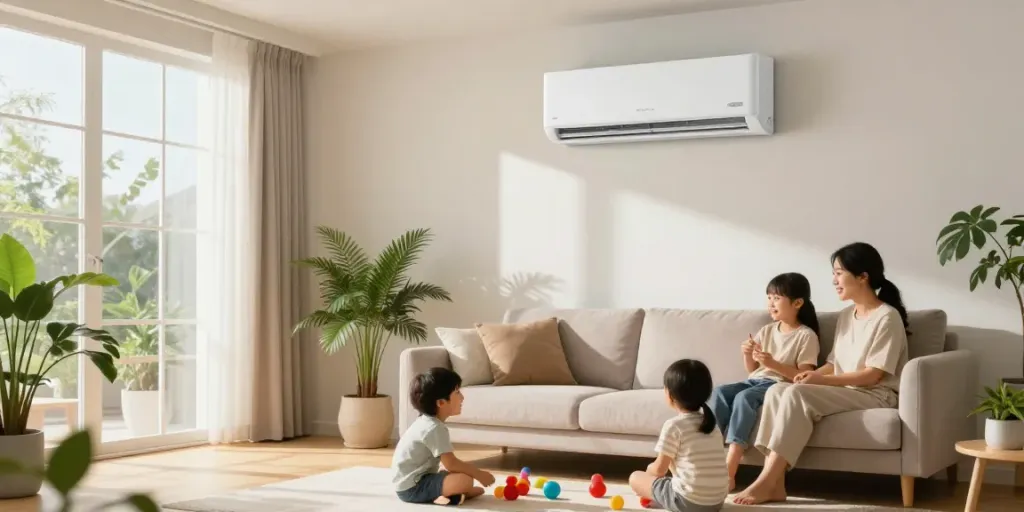
Understanding Mini Split Air Conditioners
Mini split air conditioners have gained significant traction in the HVAC market, providing flexible, efficient cooling and heating solutions for various spaces. Unlike traditional HVAC systems that rely on ductwork, these systems consist of an indoor and outdoor unit that work harmoniously to regulate temperature. As more homeowners and businesses seek energy-efficient alternatives, the mini split air conditioner has emerged as a compelling option. This article explores the intricacies of mini splits, their benefits, installation methods, maintenance tips, and future trends.
What is a Mini Split Air Conditioner?
A mini split air conditioner, also known as a ductless system, consists of two main components: an indoor evaporator unit and an outdoor condenser unit. This design allows for targeted cooling and heating, making it ideal for spaces without existing ductwork. Mini splits are available in various capacities, accommodating different room sizes and cooling needs. Additionally, many models offer heat pump functionality, allowing them to provide both cooling in the summer and heating in the winter.
How Mini Splits Compare to Traditional Systems
When pitted against traditional central air conditioning systems, mini splits present several advantages. Traditional systems require extensive ductwork, which can lead to energy loss through leaks and inefficiencies. In contrast, mini splits are typically easier to install and can be placed in areas that need climate control without extensive remodeling. Furthermore, mini splits are often quieter than traditional units and can be controlled individually, allowing for customized comfort in different rooms.
Key Components of a Mini Split System
A mini split system primarily consists of the following components:
- Indoor Unit: This unit is mounted on a wall or ceiling and is responsible for distributing the conditioned air within the space.
- Outdoor Unit: Placed outside the building, this unit houses the compressor and condenser, which work to expel heat from the indoor air.
- Refrigerant Lines: These insulated lines connect the indoor and outdoor units, allowing refrigerant to circulate and facilitate the cooling or heating process.
- Control System: Each indoor unit typically comes with a remote control or may be integrated into a smart home system for convenience.
Benefits of Mini Split Air Conditioners
Energy Efficiency and Cost Savings
One of the standout advantages of mini split air conditioners is their energy efficiency. Typically, they have higher SEER (Seasonal Energy Efficiency Ratio) ratings compared to traditional HVAC systems. This means they consume less energy for the same amount of cooling or heating, leading to significant cost savings on energy bills. Additionally, their zoning capabilities allow homeowners to condition only the spaces they use, further optimizing energy use.
Improved Indoor Air Quality
Mini splits often come equipped with advanced filtration systems that can significantly improve indoor air quality. By minimizing dust, allergens, and pollutants, they create a healthier living environment. Moreover, because they do not rely on ductwork, which can harbor mold and dust, there is a reduced risk of air contamination.
Design Flexibility and Space Utilization
Mini split air conditioners offer remarkable design flexibility. The indoor units can be installed in various locations, including walls, ceilings, or even as floor-mounted units. This versatility allows homeowners and businesses to maintain the aesthetics of their spaces while enjoying effective cooling and heating. Additionally, since these systems do not require bulky ductwork, they free up valuable ceiling space and reduce the overall footprint of the HVAC system.
Installing a Mini Split Air Conditioner
Choosing the Right Size for Your Space
Selecting the correct size of a mini split air conditioner is crucial for optimal performance and efficiency. An undersized unit will struggle to cool or heat the space effectively, while an oversized unit may lead to short cycling, which reduces energy efficiency and comfort. To find the right size, consider the room's square footage, insulation level, and sun exposure. A professional HVAC technician can perform a load calculation to ensure proper sizing.
Do-It-Yourself Installation Steps and Tips
If you're considering a DIY installation, here are essential steps to follow:
- Gather Tools: Ensure you have all necessary tools, including a drill, wrenches, and a vacuum pump.
- Mount the Indoor Unit: Choose a location on the wall that allows for optimal airflow and easy access for maintenance. Securely mount the indoor unit using brackets.
- Install the Outdoor Unit: Place the outdoor condenser on a stable surface, ensuring it has enough clearance for airflow and maintenance access.
- Connect Refrigerant Lines: Route the refrigerant and electrical lines between the indoor and outdoor units, ensuring proper insulation and connections.
- Test the System: Once everything is connected, test the system to ensure it operates correctly.
While DIY installation can be a feasible option for some, thorough research and understanding of the system are essential to avoid costly mistakes.
Finding a Professional Installer
For those who prefer professional installation, seeking a licensed HVAC contractor is advisable. Look for technicians with experience in mini split installation and positive reviews from previous customers. A professional installation not only ensures that the system operates efficiently but can also help maintain warranties and provide peace of mind.
Maintaining Your Mini Split Air Conditioner
Regular Maintenance Practices for Longevity
Proper maintenance is key to extending the lifespan of your mini split air conditioner. Regular tasks include cleaning or replacing filters every few months, checking for refrigerant leaks, and ensuring the outdoor unit is free of debris. Maintaining clean coils and ensuring proper airflow will enhance efficiency and performance.
Common Issues and Troubleshooting
Despite their reliability, mini splits can experience issues over time. Common problems include:
- Inadequate Cooling: This may indicate low refrigerant levels or dirty filters that need cleaning or replacing.
- Strange Noises: Unusual sounds could signal issues with the fan or compressor and may require professional inspection.
- Increased Energy Bills: A sudden spike in energy costs may indicate inefficiencies or system malfunction.
When to Call a Technician
If minor troubleshooting fails to resolve the issue, it may be time to call a professional. Signs that require expert intervention include persistent noise, leaking refrigerant, or failure to maintain desired temperatures. Regular professional check-ups also help catch potential problems before they escalate.
Future Trends in Mini Split Technology
Advancements in Energy Efficiency for 2026
As energy efficiency standards continue to evolve, manufacturers are focusing on developing mini split systems with higher SEER ratings. Emerging technologies such as variable speed compressors and improved insulation materials aim to enhance performance while lowering energy consumption. By 2026, we can expect mini splits to set new benchmarks for efficiency in the HVAC industry.
Smart Technology Integration in Mini Splits
The integration of smart technology in mini split systems is rapidly gaining popularity. Features such as Wi-Fi connectivity, smartphone app controls, and voice activation are becoming standard. Homeowners can remotely adjust settings, monitor energy usage, and even receive maintenance alerts, making mini splits more convenient and user-friendly.
Environmental Impact and Sustainability Considerations
With growing awareness of climate change, mini split manufacturers are prioritizing environmentally friendly refrigerants and energy-efficient designs. As the industry moves toward sustainable practices, we can expect significant reductions in greenhouse gas emissions associated with air conditioning systems. Opting for a mini split air conditioner not only benefits homeowners but also contributes positively to the environment.
What are the disadvantages of a mini split?
While mini split systems offer numerous benefits, there are some drawbacks. Initial installation costs can be higher compared to traditional systems, particularly for multi-zone setups. Additionally, aesthetic considerations may deter some homeowners, as indoor units can be visibly mounted on walls. However, advancements in design are helping to mitigate these concerns, creating options that blend in more seamlessly with home decor.
Is a mini split air conditioner worth it?
For many, investing in a mini split air conditioner proves worthwhile. The energy savings, improved air quality, and flexibility they provide can surpass traditional cooling and heating methods. Moreover, homeowners who value personalized comfort in specific spaces often find mini splits to be an ideal solution.
How much is a mini split for a 1000 sq ft house?
The cost of installing a mini split air conditioner for a 1,000 square foot home varies based on factors such as the system's brand, efficiency rating, and installation complexity. On average, homeowners can expect to pay anywhere from $3,000 to $5,000 for a quality mini split system installed. However, considering the ongoing energy savings and improved comfort, many find this investment valuable over the long term.