The Future of Smart Homes: Insights from خانه هوشمند جهان اسمارت
As technology evolves, so does our understanding and integration of smart home systems. The concept of a smart home, which once sounded like a futuristic fantasy, has now become a reality for many homeowners around the world. With the advent of innovative products and increased accessibility, the smart home sector is booming, promising unprecedented levels of comfort, security, and energy efficiency. In this dynamic landscape, خانه هوشمند جهان اسمارت emerges as a pivotal player, leading the way in advanced home automation solutions.
Current Trends in Smart Home Technology
Today's smart home technology is characterized by the seamless integration of internet-connected devices designed to enhance everyday living. A major trend is the rise of voice-activated systems, which allow users to control various devices via simple voice commands. This is facilitated by intelligent virtual assistants such as Amazon's Alexa, Google Assistant, and Apple's Siri, which offer hands-free operation and accessibility.
Moreover, the implementation of artificial intelligence (AI) in smart home devices is transforming how they interact with users. These systems learn from user behavior, adapting to preferences and schedules to provide a more personalized experience. Smart thermostats, for example, can analyze heating patterns and adjust accordingly, optimizing energy use without sacrificing comfort.
Innovative Products on the Market
The marketplace is rife with innovative products tailored for smart homes. From intelligent lighting solutions that can be controlled remotely to advanced security cameras that provide real-time updates, the variety is astounding. Notably, smart locks, such as the Bosch FU8 PLUS, offer enhanced security features, including remote access and facial recognition technology. These are not just trendy gadgets; they represent a shift toward safer, more efficient living environments.
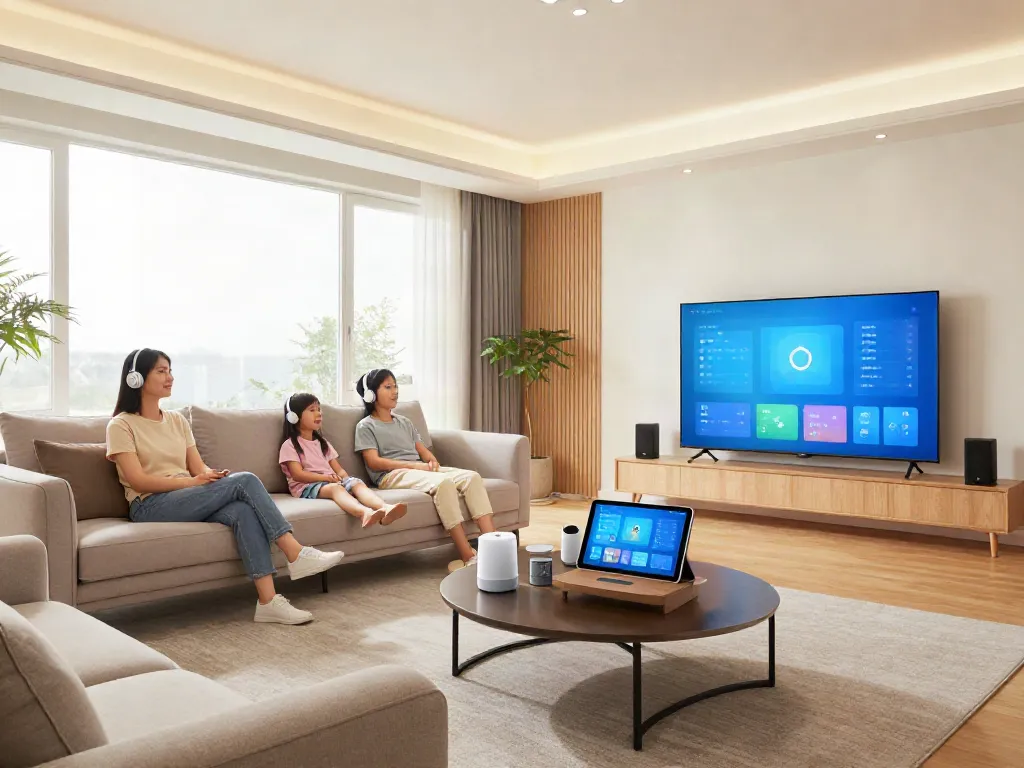
Another exciting development is the smart audio system, which integrates seamlessly with home automation systems. These systems not only provide high-quality sound but also allow for multi-room audio experiences controlled via mobile apps or voice commands, significantly enhancing the home entertainment experience.
Benefits of Smart Home Automation
The advantages of smart home automation extend beyond mere convenience. Firstly, these systems significantly improve energy efficiency. Smart devices can optimize energy consumption, reducing waste, and consequently lowering utility bills. For instance, smart thermostats can adjust temperatures based on occupancy, ensuring energy isn't wasted on unoccupied rooms.
In addition, the installation of smart security systems offers peace of mind for homeowners. With features like remote monitoring and real-time alerts, individuals can stay informed about their property no matter where they are. Furthermore, automation can enhance comfort and convenience, creating a living environment tailored to the inhabitants' needs and routines.
Understanding Smart Audio Systems
Types of Smart Audio Systems Available
In the realm of smart home technology, audio systems are increasingly sophisticated. Several types of smart audio systems cater to different needs and preferences. Whole-home audio systems allow users to play music in multiple rooms, controlled through central applications. Conversely, standalone smart speakers provide high-quality sound with the added benefit of smart functionality, such as voice control and integration with other smart devices.
Integrating Audio with Home Automation
The integration of audio systems into a smart home setup offers a unified control experience that enhances daily living. By linking audio systems to home automation platforms, users can create personalized settings, such as playing soothing music when unwinding at the end of a day or setting the mood for gatherings with pre-programmed playlists. This further accentuates the lifestyle benefits of smart living.
Impact on Home Entertainment
Smart audio systems revolutionize home entertainment by providing unparalleled flexibility and control. Users can customize their audio environment, enjoying high-fidelity music throughout the home, or creating immersive sound experiences for movies and gaming. This not only enriches leisure time but also transforms how families interact, fostering shared experiences in a connected way.
Smart Security Solutions for Every Home
Exploring Smart Locks and Cameras
Security is a top priority for homeowners, and smart home technology has significantly enhanced safety measures. Smart locks, like the Bosch FU5PLUS and the Sharp H7 facial recognition lock, allow for keyless entry and provide alerts if unauthorized access is attempted. These locks typically integrate with smartphones, enabling remote management and monitoring.
Smart cameras also play a crucial role in home security, offering features such as motion detection, night vision, and cloud storage for recorded footage. These devices help homeowners monitor their properties in real-time, ensuring a proactive approach to security.
Security Benefits of Smart Technology
Adopting smart security solutions provides myriad benefits. The ability to remotely control locks and monitor video feeds enhances peace of mind for homeowners, particularly when traveling. Furthermore, many smart security systems can integrate with other home automation devices, such as smart lighting, to create a simulated "lived in" appearance while homeowners are away.
Case Studies: Successful Installations
Many organizations have successfully implemented smart security systems, demonstrating their effectiveness. For instance, a residential project completed by خانه هوشمند جهان اسمارت integrated smart locks, cameras, and motion sensors across multiple properties, leading to a 40% reduction in reported security incidents. Such case studies illustrate the tangible benefits of investing in smart technology for safety and security.
Energy Efficiency and Smart Home Management
Smart Thermostats and Energy Savings
Energy efficiency is a prominent feature of modern smart homes, with smart thermostats at the forefront. These devices learn household patterns and adjust heating and cooling accordingly, leading to substantial energy savings. Homeowners can expect reductions in utility bills while maintaining comfortable living conditions throughout the year.
Additionally, many smart thermostats are programmable and can be controlled remotely, allowing homeowners to adjust settings on the go. This level of control is particularly beneficial for families with varying schedules, ensuring that energy is not wasted on unoccupied spaces.
Smart Lighting Solutions for Efficiency
Smart lighting systems further enhance the energy efficiency of homes. Users can program lights to turn off when leaving a room or adjust brightness based on the time of day. Such features not only save energy but also extend the lifespan of bulbs to reduce replacement costs.
Moreover, integrating smart lighting with other automated systems allows for custom routines—such as dimming lights for movie nights or brightening for morning routines—which enhances overall home experience.
Measuring Energy Consumption Effectively
To maximize energy efficiency, homeowners should regularly evaluate their energy consumption. Smart home systems typically offer insights into usage patterns, helping identify areas for improvement. By analyzing this data, homeowners can make informed adjustments to enhance energy savings further.
Challenges and Considerations for Homeowners
Common Misconceptions About Automation
Despite the growing popularity of smart home technology, several misconceptions persist. One common belief is that smart homes are overly complicated and not user-friendly; however, many modern devices are designed with ease of use in mind, featuring intuitive interfaces and straightforward setup processes.
Another misconception is that smart home devices are prohibitively expensive. While initial costs may seem high, the long-term savings on energy bills and enhanced property value can compensate for the initial investment significantly.
Installation and Maintenance Issues
While integrating smart home technology can be rewarding, it is essential to consider installation and maintenance. Homeowners may encounter challenges such as compatibility issues between devices, which can complicate the automation experience. Therefore, engaging with experienced professionals, such as those from خانه هوشمند جهان اسمارت, can streamline the process and ensure optimal performance.
Future of Smart Home Regulations and Standards
As the smart home market continues to grow, regulations surrounding privacy and security will likely become more stringent. Homeowners must stay informed about these developments, ensuring their systems comply with evolving standards for security and data protection. This proactive approach will not only safeguard personal information but also enhance device reliability.
What Are the Best Practices for Smart Home Integration?
For successful integration of smart home technology, homeowners should consider the following best practices:
- Choose compatible devices that work together seamlessly.
- Invest in a reliable and secure Wi-Fi network to support all devices.
- Regularly update device software to enhance security and functionality.
- Engage with knowledgeable professionals for installation and support.
By adhering to these guidelines, homeowners can optimize their smart home experience.