Understanding AI Image Generators
AI image generators have emerged as a revolutionary tool in creative industries, enabling artists, designers, and marketers to create stunning visuals with minimal effort. These advanced applications can transform simple text prompts into detailed images, offering a new dimension to creativity. As we dive into the intricacies of how to use an AI image generator, it’s essential to understand the foundational concepts and their implications in the modern creative landscape. When exploring options, how to use an AI image generator will provide comprehensive insights into this innovative technology.
What is an AI Image Generator?
An AI image generator is a software application that uses artificial intelligence algorithms to create images from textual descriptions. These generators analyze the input text, interpret its meaning, and utilize trained models to produce corresponding images. The technology behind these generators often employs machine learning techniques, particularly generative adversarial networks (GANs), which consist of two neural networks: one that generates images and another that evaluates them against the training data.
How AI Image Generators Work
The process of generating images involves several steps:
- Input Processing: Users provide a descriptive text prompt that outlines what they want to visualize.
- Model Training: The AI model has been trained on vast datasets containing both images and their corresponding descriptions, allowing it to learn the intricacies of various visual elements.
- Image Generation: The generator creates images by sampling noise and adjusting it based on the given text, producing a new visual representation.
- Feedback Loop: In some advanced systems, user feedback can help refine and improve future image outputs.
Common Uses in Creative Industries
AI image generators are reshaping various creative fields, including:
- Graphic Design: Designers can quickly create visuals for marketing campaigns or social media posts, increasing productivity.
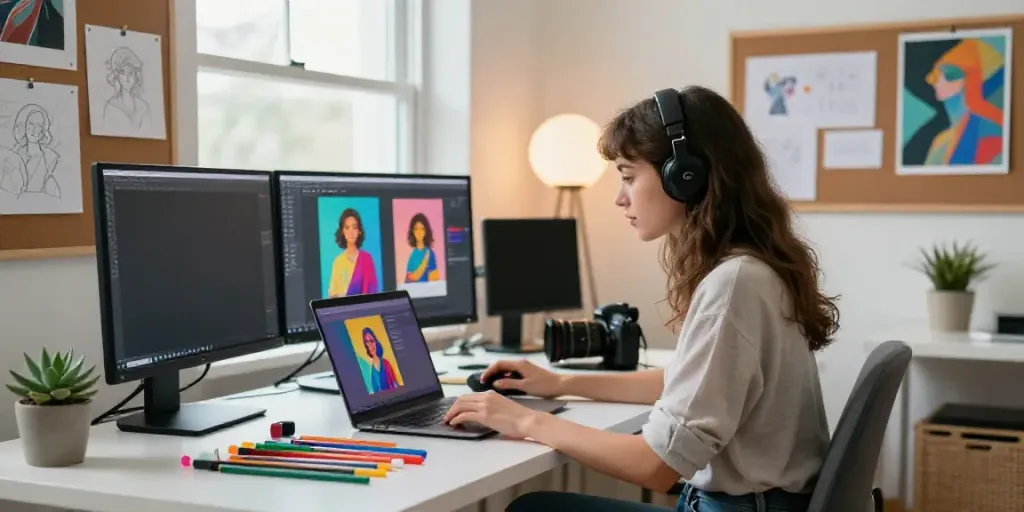
- Art Creation: Artists leverage AI to explore new styles and concepts, often incorporating these images into their traditional works.
- Advertising: Marketers use generated images to create custom visuals tailored to specific audiences without the need for extensive photo shoots.
- Game Development: Developers can generate assets like environments or character designs, streamlining the creative process.
Getting Started with AI Image Generators
Venturing into the world of AI image generation can be daunting, but with the right guidance, anyone can harness its power. Here’s how to get started effectively.
Choosing an AI Image Generator Tool
Numerous tools are available, each offering unique features and capabilities. Popular options include:
- Adobe Firefly: Known for its user-friendly interface and integration with Adobe Suite.
- Canva: A versatile platform with a dedicated AI image generator.
- DeepAI: Offers a simple model for creating images based on text inputs.
It's crucial to choose a tool that aligns with your needs and level of expertise, whether you are a beginner or an advanced user.
Essential Features to Look For
When selecting an AI image generator, consider these essential features:
- Quality of Output: Look for tools that produce high-resolution images with realistic details.
- Speed: Fast processing times can significantly enhance your workflow.
- Customization Options: Ability to adjust styles, colors, and composition directly within the tool.
- Community and Support: Active user communities can provide valuable insights and support.
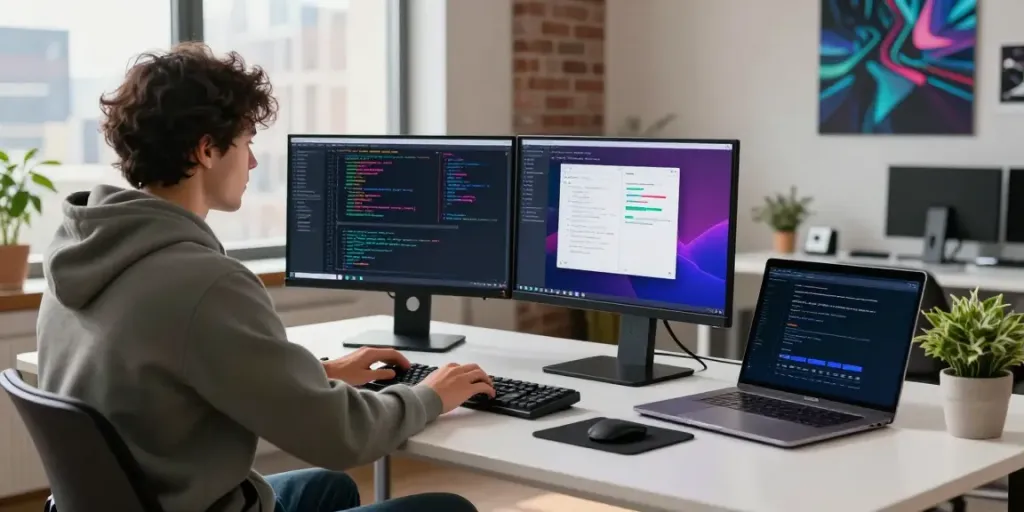
Setting Up Your Workspace for Success
Creating an effective workspace is essential for maximizing productivity. Consider the following:
- Good Hardware: Ensure your computer or device has adequate specifications to run the software efficiently.
- Stable Internet Connection: Since most AI generators operate online, a reliable internet connection is vital.
- Organized Environment: Maintain a clutter-free workspace to enhance focus and creativity.
Practical Tips for Effective Image Generation
Generating compelling images with AI requires practice and strategic thinking. Here are some practical tips to improve your results.
Crafting Effective Prompts
The key to getting the best output lies in the prompt you provide. Here are tips for crafting effective prompts:
- Be Descriptive: Provide specific details about the elements you want in the image.
- Use Adjectives: Adjectives can help convey the mood or style of the image.
- Include Context: Providing context can help the AI generate more relevant images.
Incorporating Feedback to Improve Outputs
Use feedback loops to refine your image generation skills. Save your outputs, evaluate them critically, and note what works and what doesn’t. This iterative process can lead to a significant improvement in the quality of images generated over time.
Common Mistakes to Avoid When Using AI
Here are common pitfalls and how to avoid them:
- Vague Prompts: Avoid using general descriptions that can lead to unsatisfactory results.
- Ignoring Result Quality: Always assess the generated images critically rather than settling for the first output.
- Not Utilizing Available Features: Familiarize yourself with the full range of features your chosen tool offers.
Advanced Techniques for Professional Usage
For those looking to elevate their use of AI image generators, here are some advanced techniques to consider.
Combining AI Generated Images with Traditional Art
Artists can integrate AI-generated images into their work. Techniques include:
- Layering: Use AI images as backgrounds or elements in traditional mediums.
- Manipulation: Modify AI-generated outputs using traditional software tools to refine them further.
Enhancing Your Workflow with AI Tools
Incorporate AI tools into your overall creative workflow. Tools designed for collaboration, project management, and asset organization can streamline processes and enhance efficiency, allowing you to focus more on the creative aspects.
Real-World Examples from the Creative Industry
Examine how industry leaders are leveraging AI image generators:
- Fashion Brands: Some brands use AI to prototype clothing designs and marketing materials rapidly.
- Film Production: AI-generated concept art helps in the pre-visualization phase of movie production.
- Advertising Agencies: Agencies are utilizing AI-generated imagery to create compelling ad campaigns at scale.
The Future of AI Image Generation
As technology continues to evolve, so does the potential of AI image generators. Here’s what the future may hold.
Trends in AI Technology for 2026 and Beyond
Emerging trends include:
- Increased Realism: Ongoing advancements in machine learning will lead to even more realistic image generation.
- Personalization: Future generators may offer highly personalized outputs based on user preferences and histories.
- Integration with Virtual and Augmented Reality: Expect seamless blending of AI-generated images with immersive experiences.
Impact on the Creative Process and Art Community
As AI becomes more ingrained in creative workflows, its impact on the artistic process will be profound, fostering new collaborations between human creativity and machine intelligence.
Ethical Considerations in AI Artistry
With the rise of AI-generated content, ethical considerations are paramount. Issues such as copyright, originality, and the potential for misuse must be carefully navigated to ensure responsible use of this technology in the creative community.