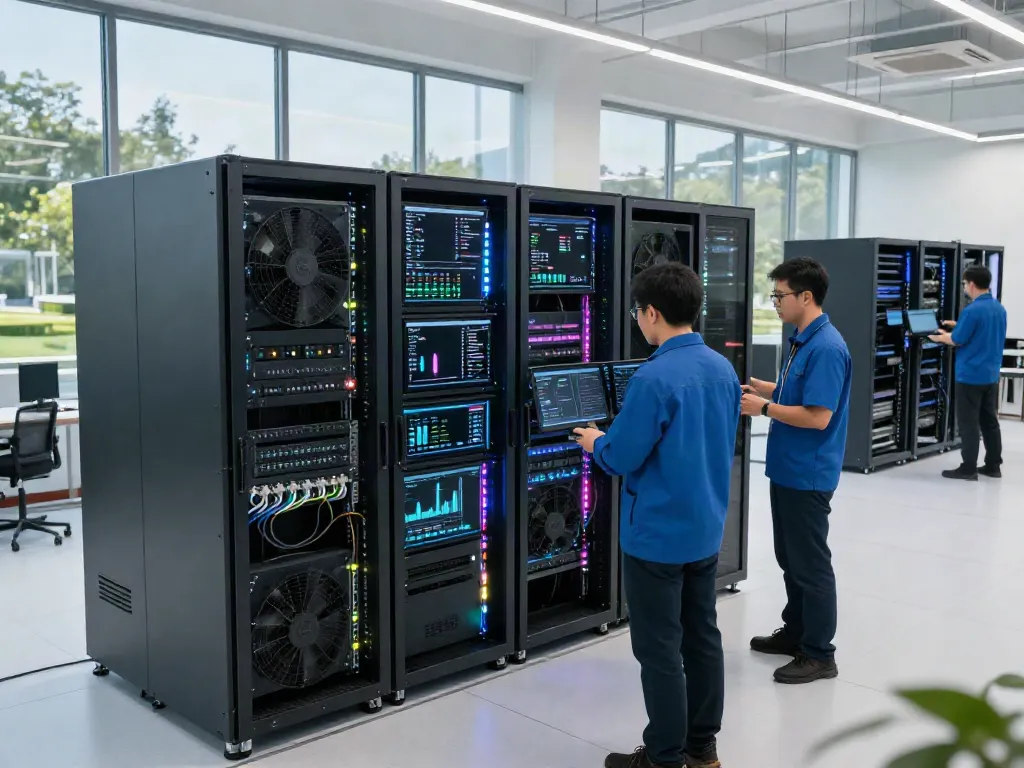
Understanding AI Infrastructure and Its Significance
In the rapidly evolving landscape of artificial intelligence (AI), having a solid foundation built on robust AI infrastructure is crucial. This infrastructure encompasses the hardware, software, and network resources required to develop, deploy, and manage AI applications effectively. As organizations increasingly seek to leverage AI for competitive advantage, the importance of understanding and optimizing this infrastructure cannot be overstated.
What is AI Infrastructure?
AI infrastructure refers to the combination of hardware components—including servers, storage systems, and network equipment—and software tools that support AI workloads. This infrastructure is essential for processing vast amounts of data, training machine learning models, and deploying AI-driven applications. It enables organizations to harness the power of AI technologies such as deep learning, natural language processing, and computer vision.
The Role of Power in AI Infrastructure
A critical, yet often overlooked aspect of AI infrastructure is the power supply. AI models, particularly those based on deep learning, require significant computational resources, particularly from GPU (Graphics Processing Unit) systems. The efficient operation of these GPUs relies heavily on stable, reliable, and scalable power solutions. Without the necessary electricity, AI factories—which process and infer data—cannot operate effectively, leading to delays and increased costs in AI deployment.
Key Components of a Robust AI Infrastructure
- Hardware: High-performance servers equipped with GPUs provide the computational power needed for processing complex AI models.
- Storage Solutions: Scalable storage systems are essential for managing large datasets, which are critical for training AI algorithms.
- Networking: A robust network infrastructure ensures seamless data transfer between components, facilitating efficient AI operations.
- Software: Machine learning frameworks, data processing tools, and AI application platforms that support the entire AI lifecycle.
Navigating AI Infrastructure Power Plans
To build and maintain effective AI infrastructure, organizations often explore various power plans tailored to their specific needs. These plans can facilitate better management of electricity usage and costs associated with AI operations.
Types of AI Infrastructure Power Plans Available
Organizations can opt for different power plans based on their operational requirements. Common types include:
- Core Power Access: Basic support for small-scale AI operations.
- Enhanced Power Access: Additional resources for medium-scale AI deployments with increased computational needs.
- Advanced Power Access: Comprehensive support for large-scale AI infrastructures demanding high efficiency and capacity.
Calculating Contribution Rewards in AI Infrastructure
Participating in AI infrastructure through power plans often includes a rewards system. Depending on the level of power contribution, organizations can receive compensation based on their active support of AI factory operations. This not only incentivizes participation but also aligns business objectives with AI infrastructure needs.
Choosing the Right Power Plan for Your Needs
When selecting a power plan, it is vital to assess your specific requirements, such as the scale of AI operations, budget constraints, and growth potential. Organizations should also consider long-term scalability to ensure their power infrastructure can adapt as needs evolve.
Building a Global AI Infrastructure Network
As AI adoption accelerates worldwide, building a cohesive global AI infrastructure network becomes essential. This network connects various power resources with AI factory operations, facilitating seamless AI service delivery.
Connecting Power Resources to AI Factory Operations
Integrating power resources effectively into AI factory operations requires strategic planning. Organizations need to ensure that their AI infrastructure can access reliable energy sources to minimize downtime and maintain high performance.
Challenges in Global AI Infrastructure Deployment
Several challenges confront organizations attempting to establish a global AI infrastructure:
- Grid Reliability: Ensuring stable and reliable electricity supply across multiple regions can be complex.
- Regulatory Compliance: Navigating the varying energy regulations across different countries requires careful planning and execution.
- Technology Integration: Merging existing and new technologies within a global framework can present integration hurdles.
Innovations Transforming AI Infrastructure Connectivity
Recent innovations are paving the way for more efficient and effective AI infrastructure connectivity. Advances in renewable energy, energy storage solutions, and smart grid technologies are optimizing power consumption while promoting sustainability. These innovations notably contribute to reducing the overall carbon footprint of AI operations.
Measuring Performance in AI Infrastructure
To ensure optimal functionality and effectiveness of AI infrastructure, organizations must establish clear performance metrics and measurement strategies.
Key Performance Indicators for AI Infrastructure Success
Performance measurement within AI infrastructure can be tracked using several key performance indicators (KPIs), including:
- Energy Efficiency: Measuring the performance of AI workloads against electricity consumption.
- Uptime: The total time AI systems remain operational versus downtime due to failures or maintenance.
- Processing Speed: The average time taken for AI models to process inputs and generate outputs.
Strategies for Optimizing AI Workload Efficiency
Improving the efficiency of AI workloads can significantly enhance overall infrastructure performance. Strategies may include:
- Utilizing advanced algorithms to streamline processing tasks.
- Implementing better load balancing across resources to avoid bottlenecks.
- Monitoring and adjusting power usage dynamically based on workload requirements.
Case Studies: Successful AI Infrastructure Implementations
Real-world examples provide valuable insights into effective AI infrastructure implementations. For instance, major tech companies have successfully integrated energy-efficient practices within their AI operational frameworks, significantly reducing costs and improving service delivery.
The Future of AI Infrastructure in 2026 and Beyond
As we move towards 2026, the landscape of AI infrastructure will continue to evolve, shaped by multiple factors, including technological advances and shifts in market demand.
Emerging Trends Impacting AI Infrastructure Development
Key trends expected to influence the future of AI infrastructure include:
- Edge Computing: Distributing AI processing closer to data sources to reduce latency and improve real-time decision-making capabilities.
- Increased Automation: Leveraging AI to manage and optimize infrastructure resources automatically.
- Sustainability Initiatives: Greater focus on renewable energy sources and energy-efficient technologies to power AI operations.
Expert Insights on Future AI Infrastructure Needs
Industry experts predict that understanding the specific needs of AI applications will be crucial for future infrastructure designs. As AI systems become more complex, the demand for specialized infrastructure that can support diverse workloads will grow.
Preparing for the Next Generation of AI Infrastructure
Organizations must begin and continue to evolve their infrastructure strategies to prepare for the next generation of AI applications. This includes investing in scalable technologies, staying informed about industry changes, and fostering partnerships that enhance operational capabilities.
What are the top 5 AI infrastructure companies?
Leading companies in AI infrastructure include NVIDIA, Google, IBM, Microsoft, and Amazon. Each of these organizations offers comprehensive solutions tailored to address various aspects of AI operations.
How does AI infrastructure support business operations?
By providing the necessary computational resources, storage, and network capabilities, AI infrastructure enables organizations to leverage AI technologies effectively in business operations, enhancing efficiency and competitiveness.
What challenges will AI infrastructure face in 2026?
Challenges such as regulatory compliance, managing energy resources sustainably, and integrating advanced technologies into existing systems will persist as significant hurdles facing AI infrastructure in the coming years.
How to choose the best AI infrastructure provider?
Organizations should evaluate potential AI infrastructure providers based on their service offerings, technology capabilities, scalability, support options, and customer feedback to find the right fit for their needs.
What is the role of power management in AI infrastructure?
Power management is critical to AI infrastructure as it ensures the availability of the right amount of energy when needed, helping to optimize operational costs while maintaining system reliability and efficiency.