
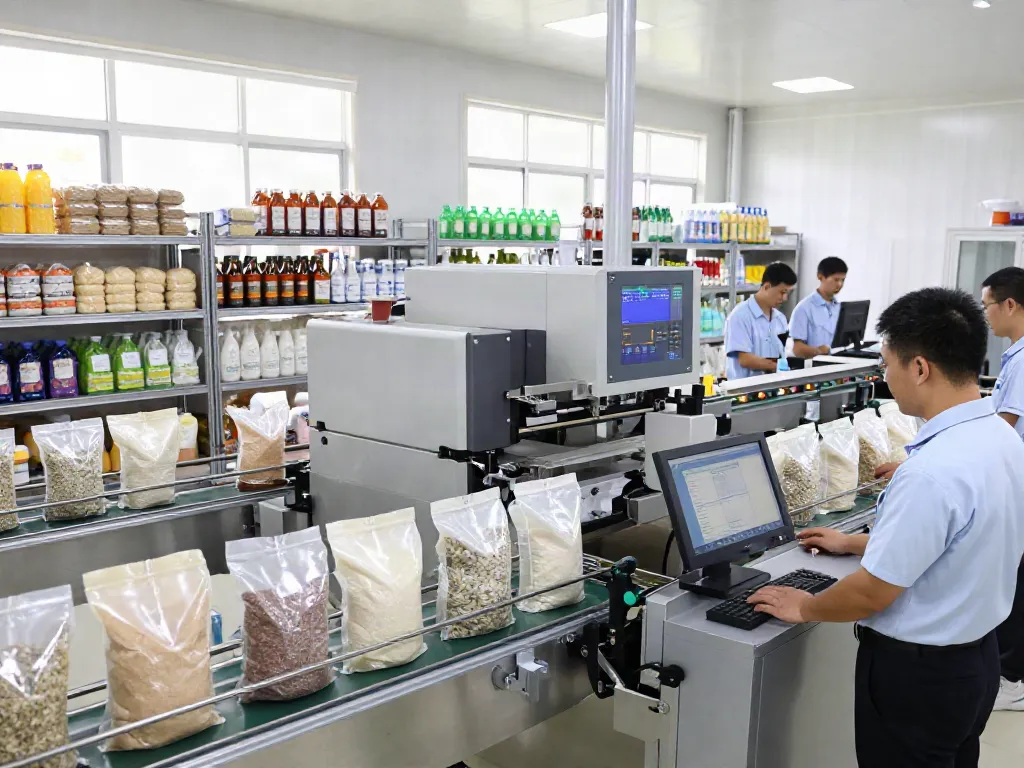
The Basics of Automated Bagging Solutions
As industries continue to evolve, the demand for efficient and reliable packaging solutions has never been higher. Automated bagging solutions are at the forefront of this transformation, offering businesses the capability to enhance production lines, reduce manual labor, and minimize errors. These systems are designed to streamline the bagging process, from the initial product placement to sealing and labeling, ensuring a thorough and efficient packaging operation. With continuous advancements in technology, automated bagging machines stand as a pivotal asset for various sectors.
At Durzerd, we specialize in high-tech automated bagging solutions tailored to meet the diverse needs of food, pharmaceutical, and consumer goods industries. Our machines provide precise packaging options, which can significantly enhance efficiency in production processes.
What Are Automated Bagging Solutions?
Automated bagging solutions refer to machinery and systems designed to automate the process of packaging products into bags. These machines can handle various types of products including powders, liquids, and dry goods, making them versatile and suitable for numerous applications. They typically consist of several components such as bag feeders, filling mechanisms, sealing units, and output conveyors, all integrated to operate seamlessly in a production line.
Key Components of Modern Bagging Machines
- Bag Feeders: Devices that automatically supply the bags to the machine, reducing manual handling.
- Filling Mechanisms: Systems that accurately dispense the correct amount of product into each bag.
- Sealing Units: Components that securely seal the bags, which can include heat sealing or adhesive applications.
- Control Systems: Advanced software that allows operators to customize settings for different packaging needs and monitor the entire operation.
Benefits of Implementing Automation in Packaging
The integration of automated bagging solutions into production processes brings numerous advantages, including:
- Increased Efficiency: Automation reduces the time spent on manual labor, allowing for faster production rates.
- Improved Accuracy: Automated systems minimize human error, ensuring consistent and precise packaging.
- Cost Reduction: With reduced labor costs and lower material wastage, companies can see significant financial benefits over time.
- Scalability: Automated bagging machines can easily adapt to increased production needs without the necessity for extensive reconfiguration.
Challenges in Adopting Automated Bagging Technologies
While the advantages of automated bagging solutions are clear, some challenges may arise when implementing this technology. Recognizing these hurdles is crucial for a successful transition.
Common Misconceptions About Automation
Many companies assume that automated systems are only suitable for high-volume production runs. However, modern bagging machines are versatile and can be customized for varying production demands, making them valuable even for smaller operations.
Technical Challenges and Solutions
Implementing automated bagging solutions can often present technical challenges, including software integration and machinery compatibility with existing production lines. To mitigate these issues, it is essential to partner with experienced manufacturers who provide comprehensive support and customization options.
Cost Considerations and ROI Analysis
Investing in automated technologies often requires a significant initial outlay. However, the long-term return on investment can be substantial when considering reduced labor costs, enhanced productivity, and improved accuracy. Conducting a thorough ROI analysis can provide valuable insights into the financial benefits over time.
Best Practices for Integrating Automated Bagging Solutions
To maximize the benefits of automated bagging systems, several best practices should be considered during integration.
Customizing Settings for Different Products
Each product may require different packaging specifications. Customizing machine settings to accommodate various bag sizes and product types ensures optimal efficiency and quality in packaging.
Training Staff for Optimal Operation
Proper training is essential for operators to effectively manage automated systems. Providing thorough training on operating procedures, troubleshooting issues, and basic maintenance can drastically improve operational efficiency.
Maintenance Tips for Longevity and Efficiency
Routine maintenance is crucial for the longevity of automated bagging machines. Regular checks, timely servicing, and adherence to manufacturer guidelines help avoid unexpected downtimes and maintain peak performance.
Real-World Applications of Automated Bagging
Various industries have successfully implemented automated bagging systems, experiencing substantial improvements in their processes.
Case Studies from Various Industries
For instance, in the food industry, companies have reported faster packaging speeds and reduced labor costs following the introduction of automated bagging solutions. In pharmaceuticals, accurate dosing and compliance with stringent regulations have been achieved by utilizing precise automated systems.
Innovations in Food Packaging
The food industry is witnessing innovations such as modified atmosphere packaging (MAP) which utilizes automated bagging machines to enhance shelf life and maintain product quality. This technology is becoming increasingly popular as consumers demand fresher options.
Impact on the Pharmaceutical Sector
In pharmaceuticals, the implementation of automated bagging solutions ensures that products are packaged securely and efficiently, meeting regulatory compliance and maintaining integrity throughout distribution.
Future Trends in Automated Bagging Solutions
As we look towards 2026 and beyond, several trends are shaping the future of automated bagging solutions.
Emerging Technologies to Watch in 2026
Among the emerging technologies are artificial intelligence and machine learning, which are likely to enhance the capabilities of automated bagging systems. These technologies can improve predictive maintenance and optimize production scheduling.
Sustainability and Eco-Friendly Practices
With an increasing emphasis on sustainability, automated bagging solutions are expected to incorporate eco-friendly materials and practices, reducing overall environmental impact. Innovations in biodegradable packaging materials will likely become more commonplace, aligning with consumer demand for greener solutions.
Predictions for the Next Decade in Packaging
Looking ahead, the packaging sector is poised for rapid evolution, with a focus on automation, efficiency, and sustainability. Companies that adopt these trends early will position themselves for competitive advantage.
What Are the Best Automated Bagging Systems?
The best automated bagging systems are those that combine efficiency, adaptability, and advanced technology. Investing in systems that offer customizable features, robust support, and scalability will yield the best results for manufacturers.
Who Are Some Manufacturers of Automated Bagging Machines?
Numerous manufacturers are competing in the automated bagging market, including established leaders and emerging innovators. Companies like Durzerd are committed to providing reliable and cutting-edge solutions designed to meet diverse industry needs.
Is Automation Worth the Investment?
The value of automation is evident in enhanced productivity, decreased labor costs, and improved accuracy in packaging processes. For many businesses, investing in automated bagging solutions proves to be not only worthwhile but essential for maintaining competitive advantage.
How Do Automated Bagging Solutions Reduce Waste?
By ensuring precise measurements and reducing human error, automated bagging solutions contribute to significantly lower waste levels. This efficiency not only supports better financial outcomes but also aligns with environmental sustainability goals.
What Industries Benefit Most from Automation?
Automated bagging solutions are beneficial across several industries, particularly food, pharmaceuticals, and consumer goods. Any sector that requires efficient packaging of products can capitalize on the advantages offered by automation.